Company Profile
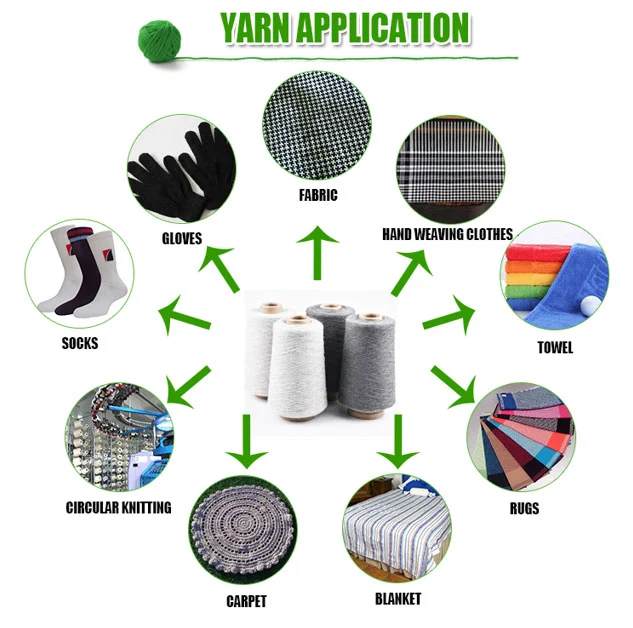
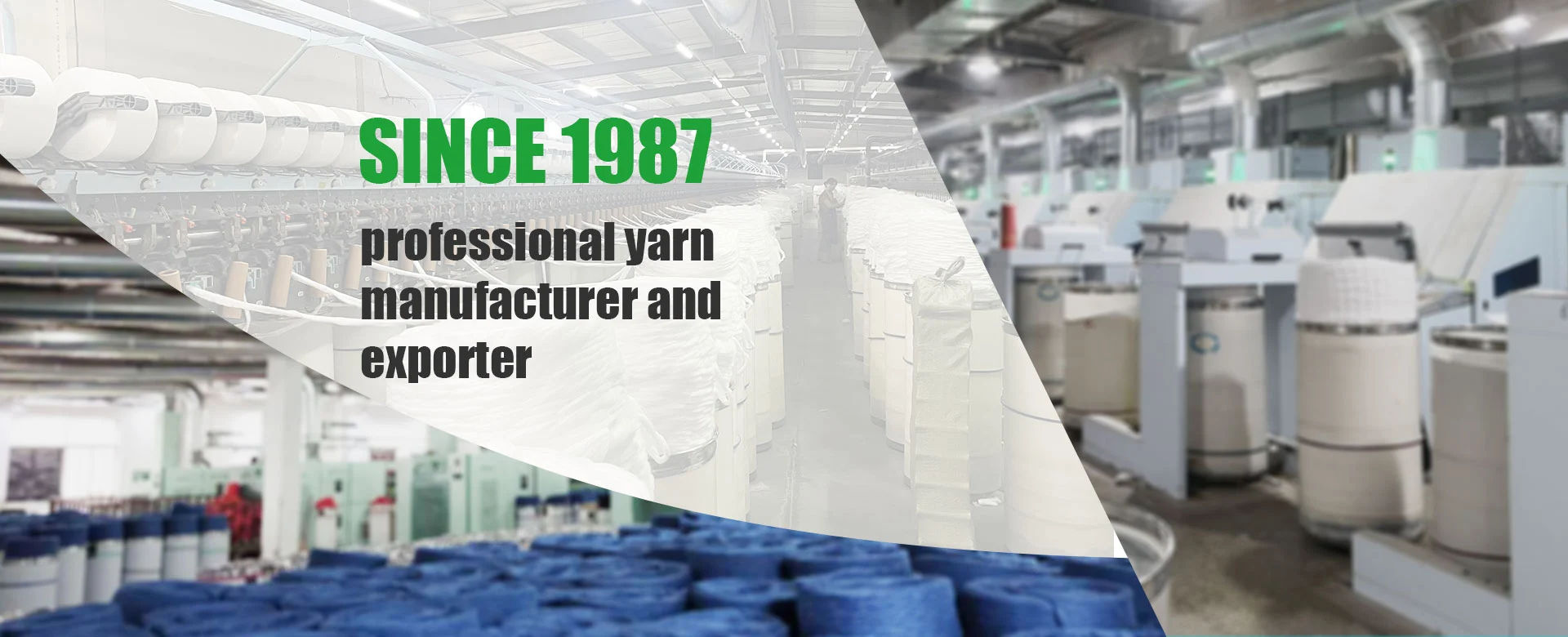
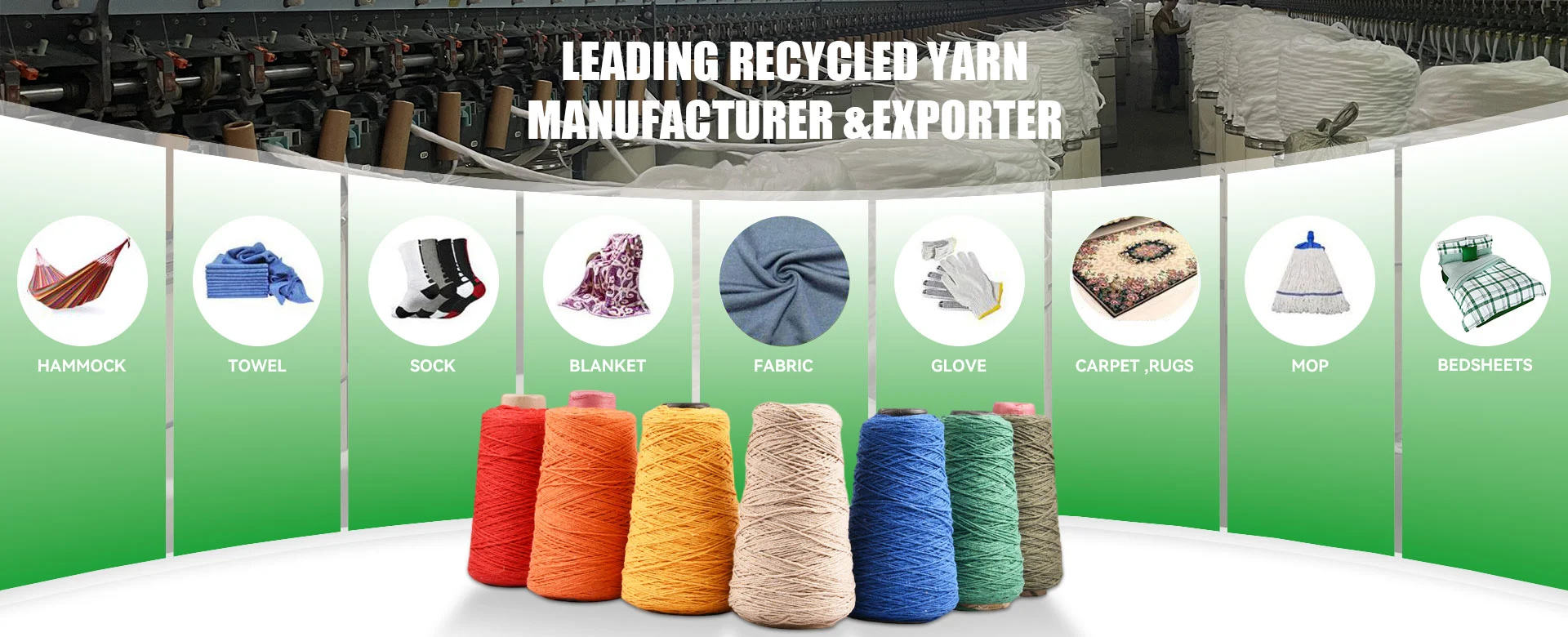
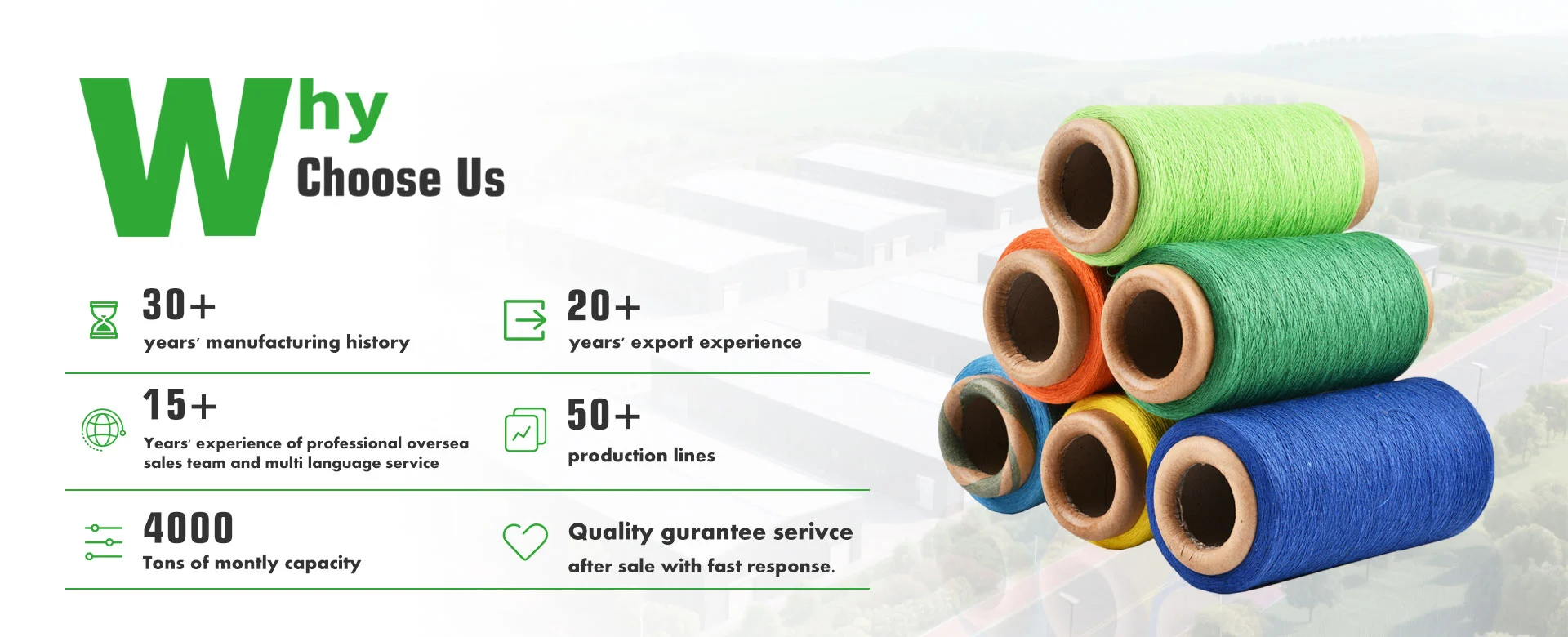
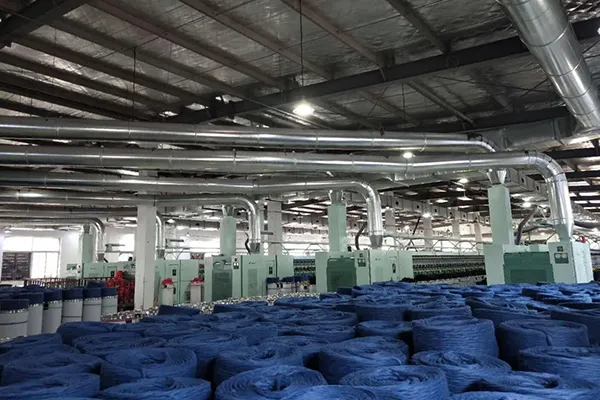
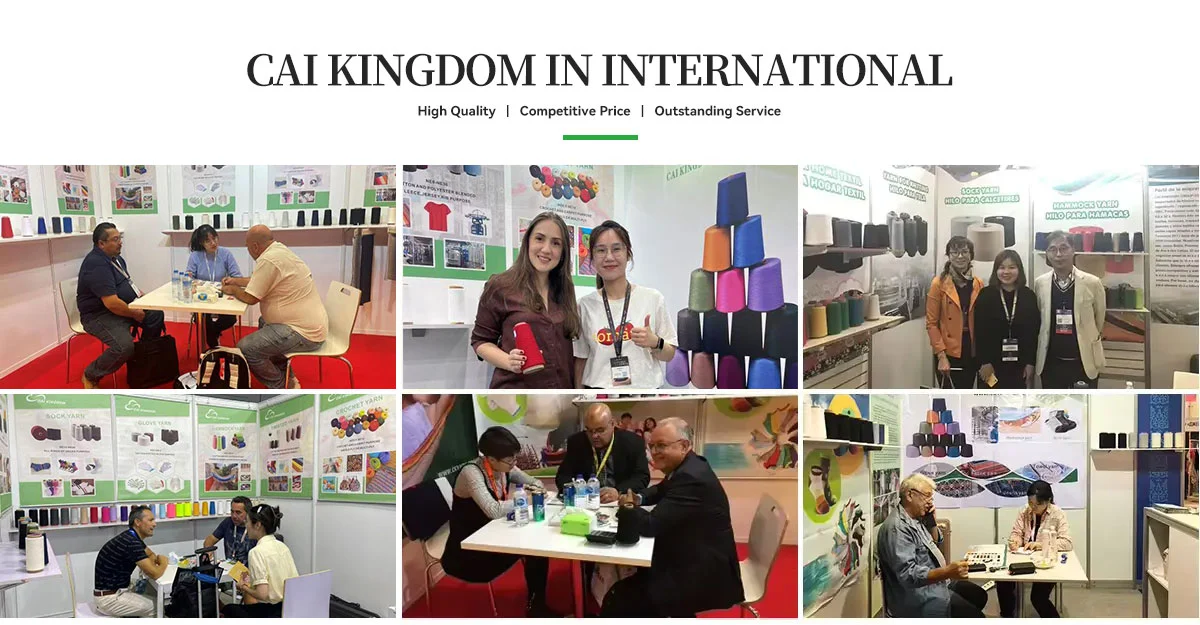
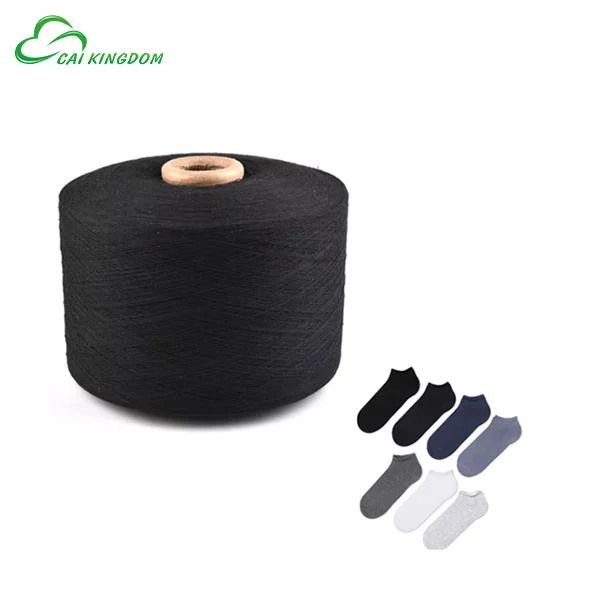
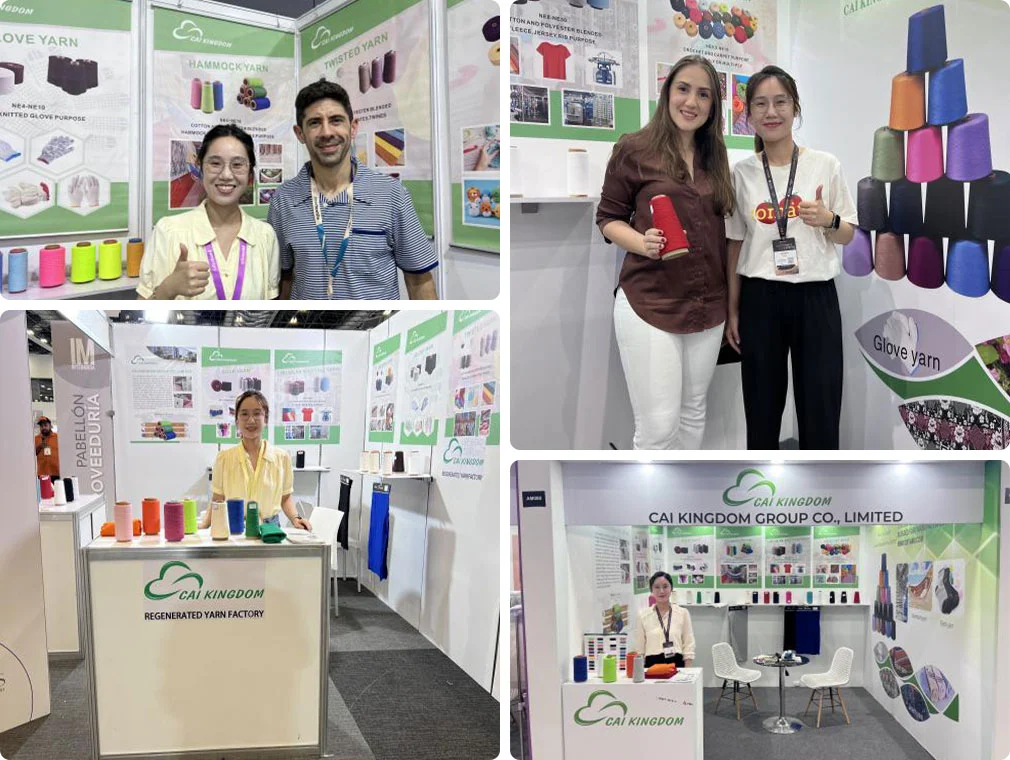
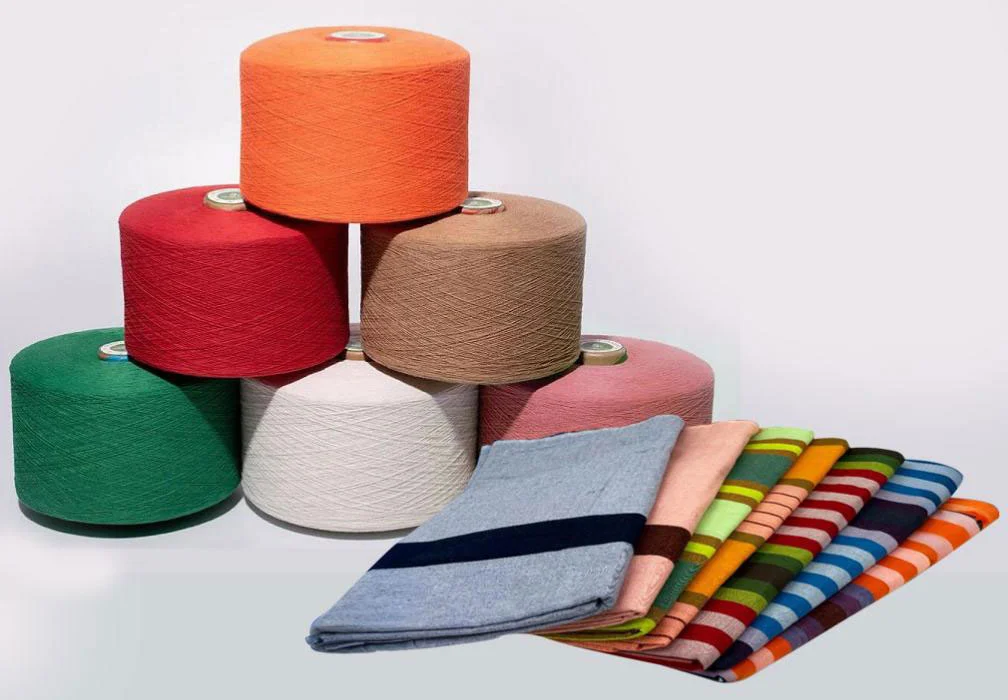
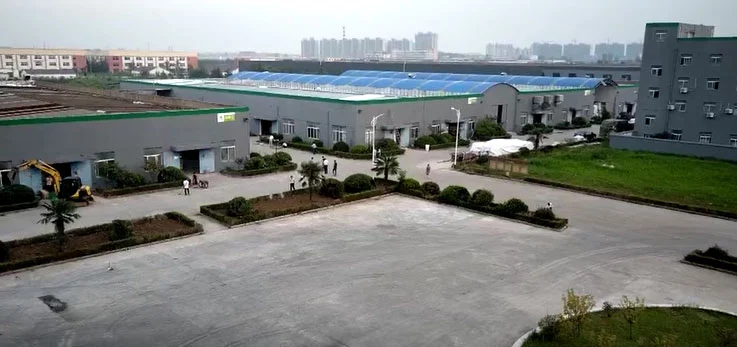
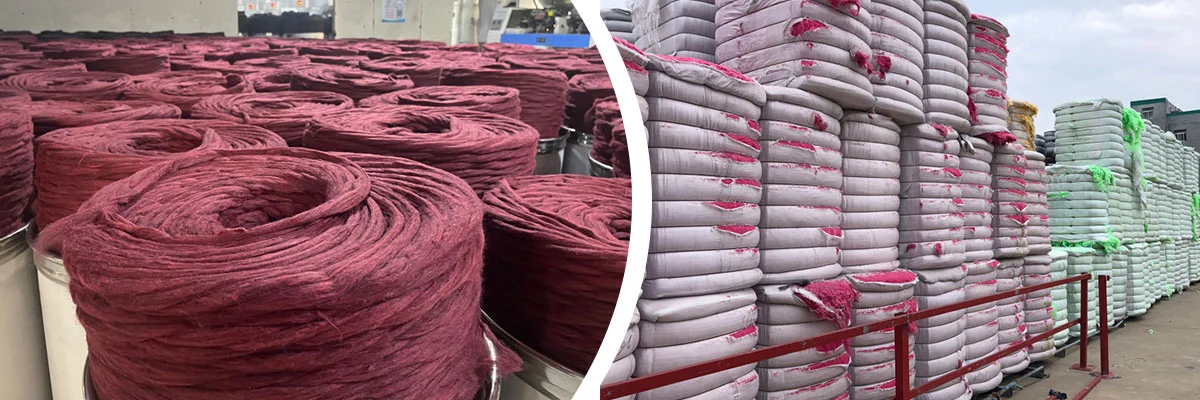
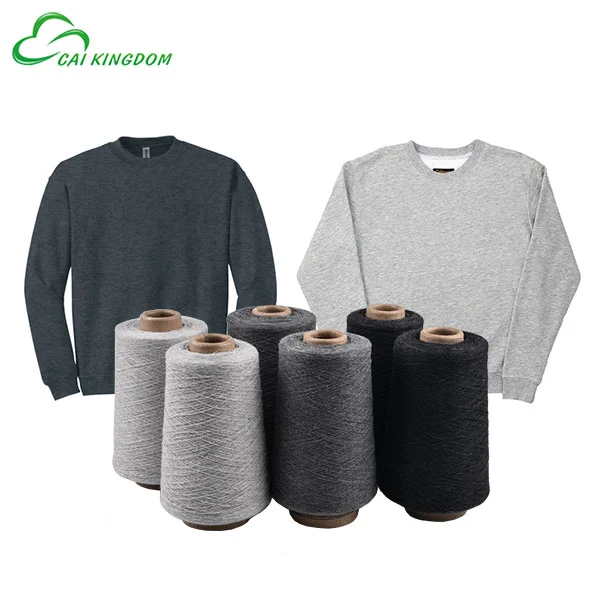
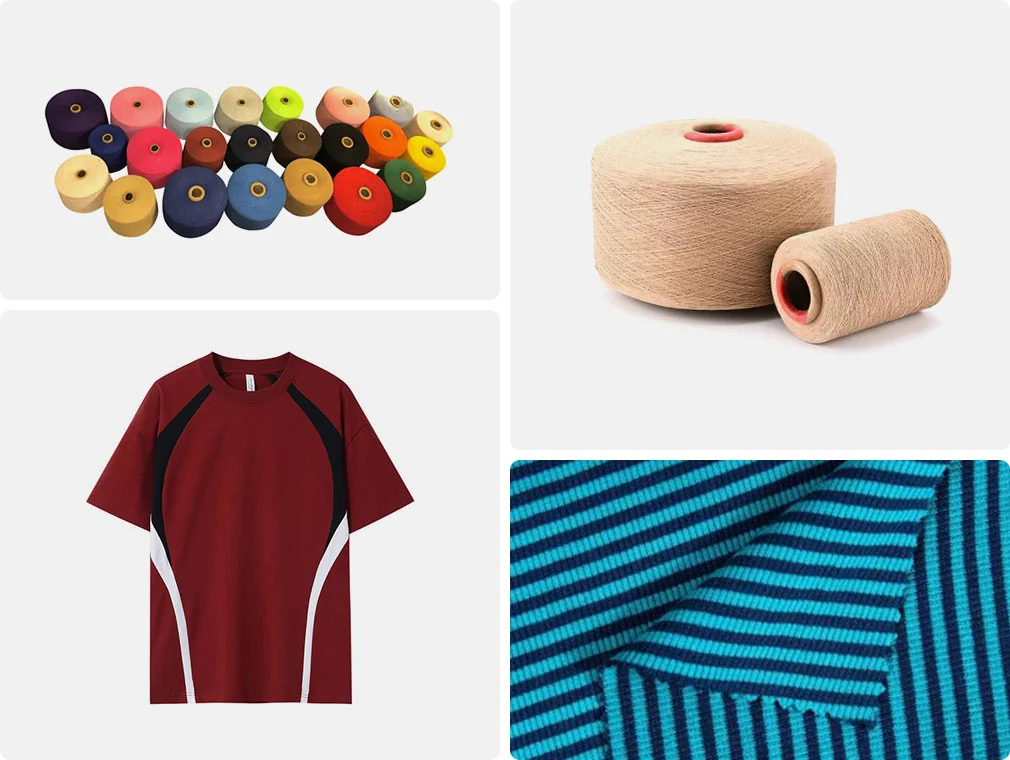
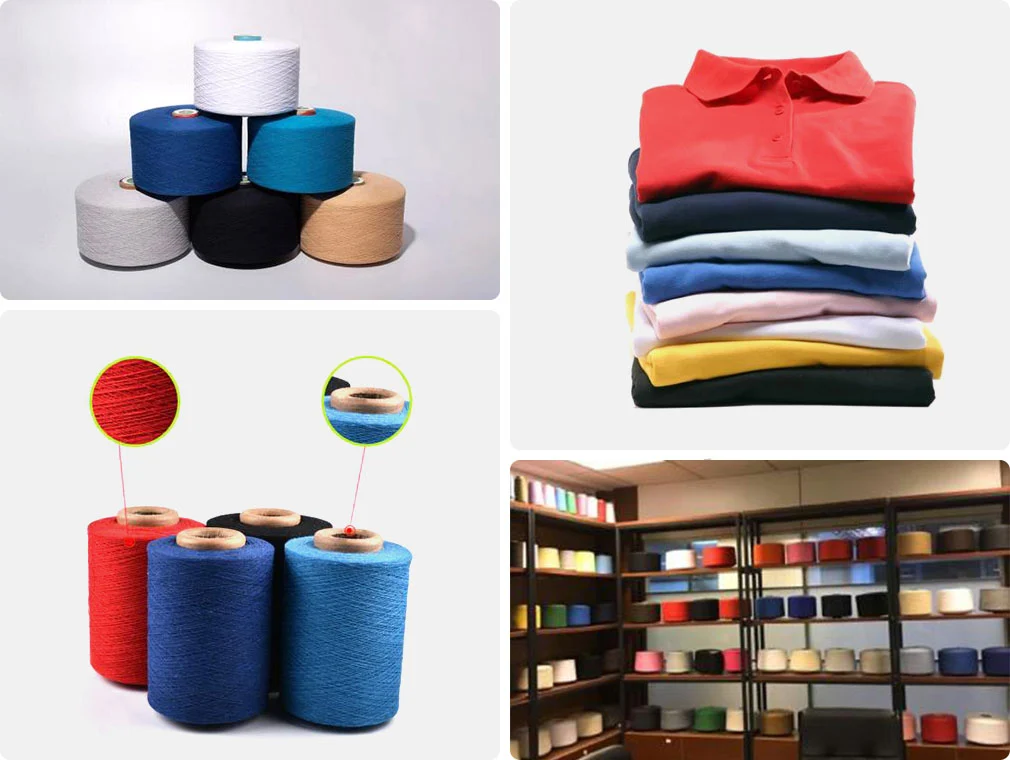
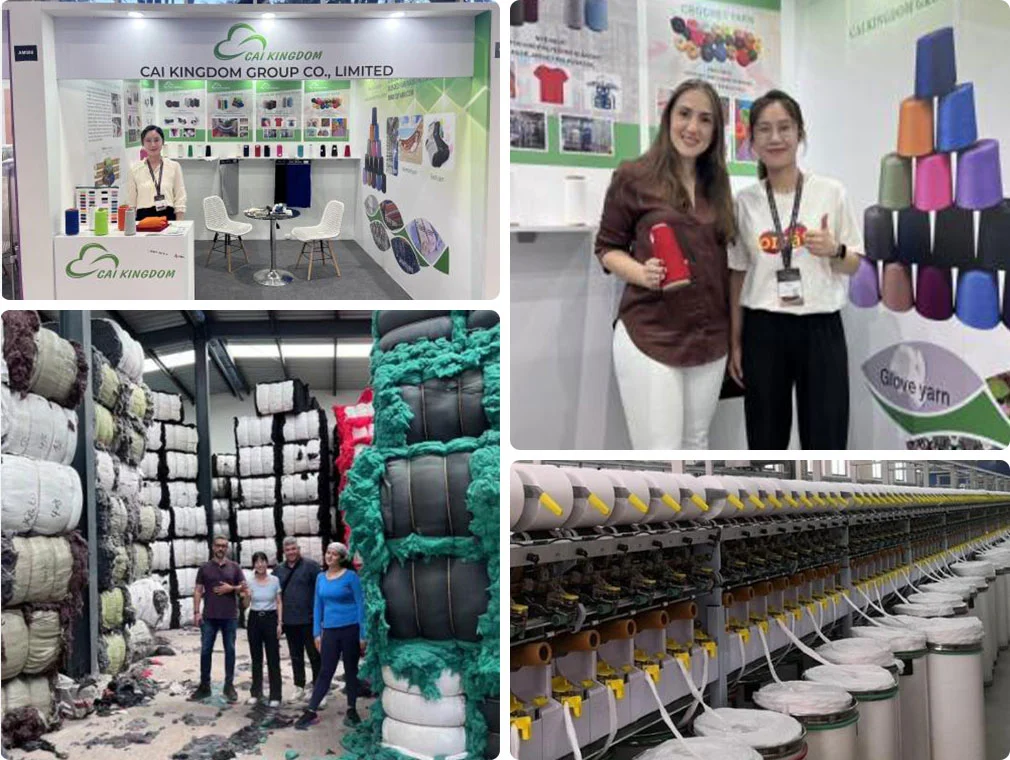
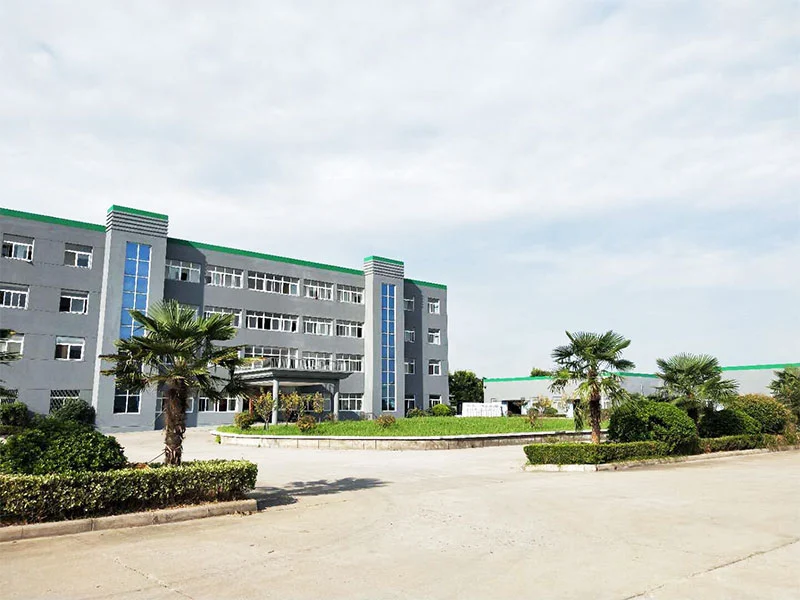
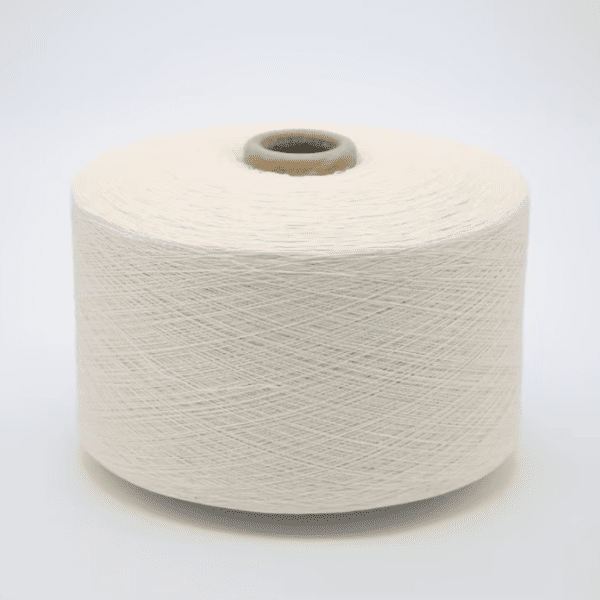
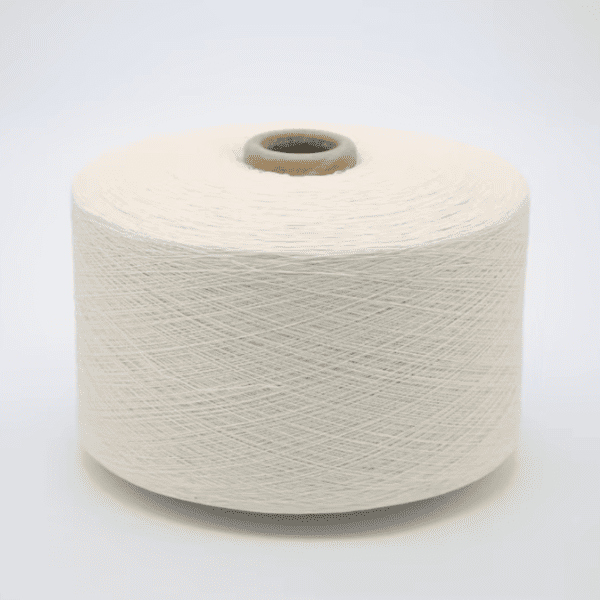
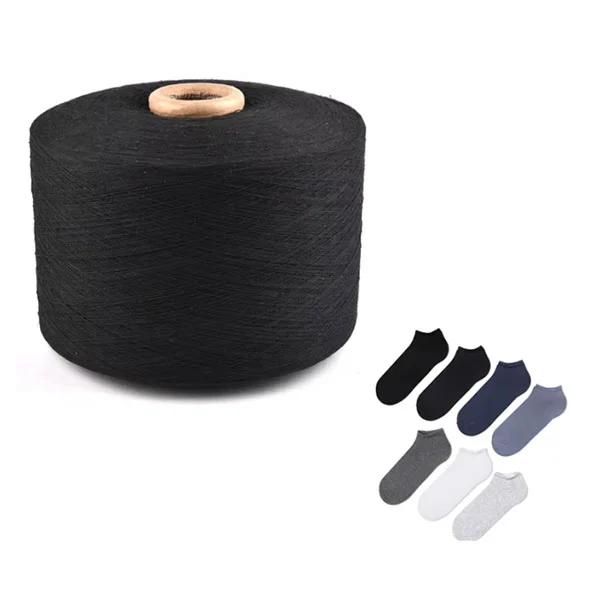
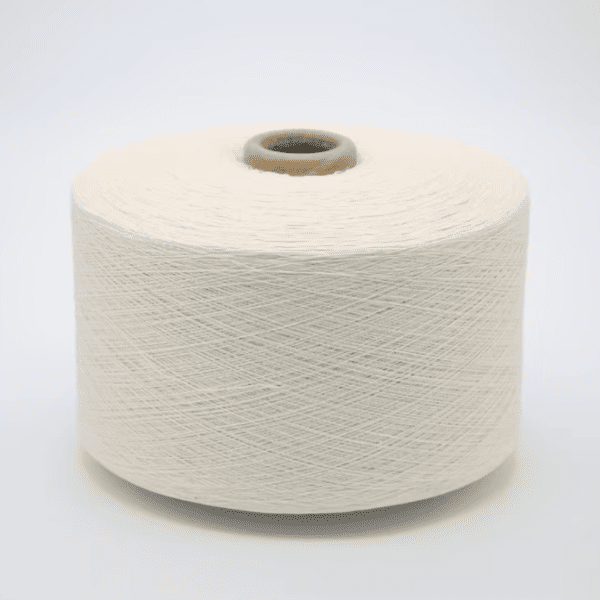
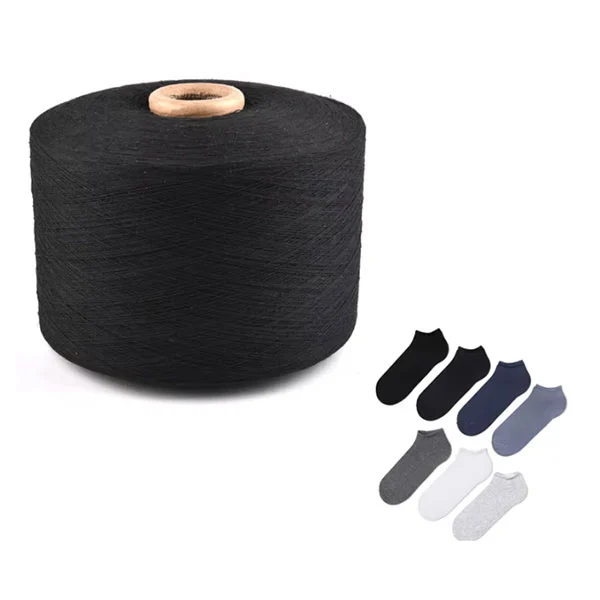
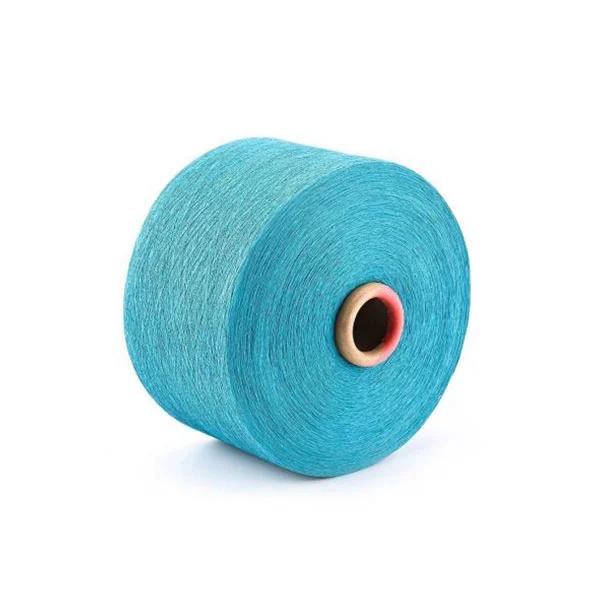
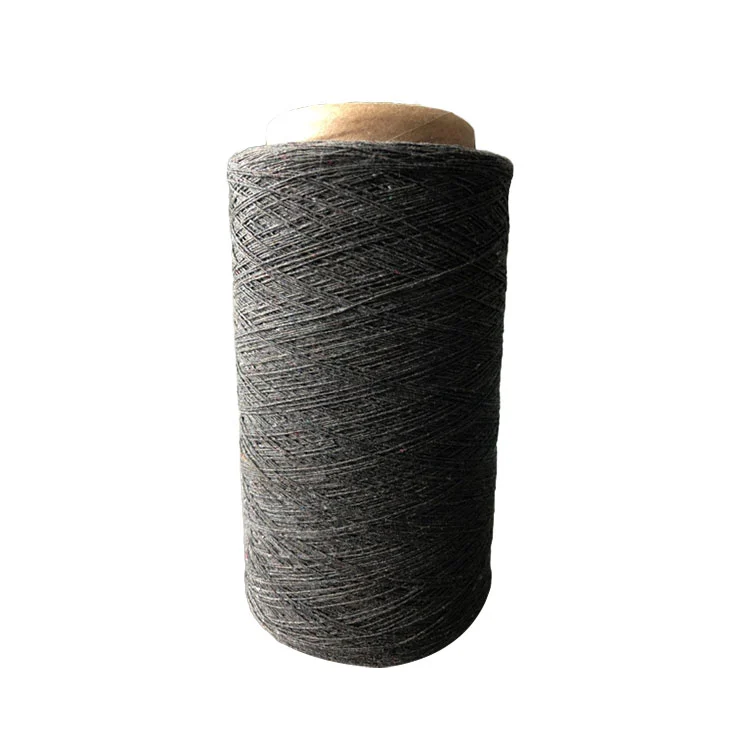
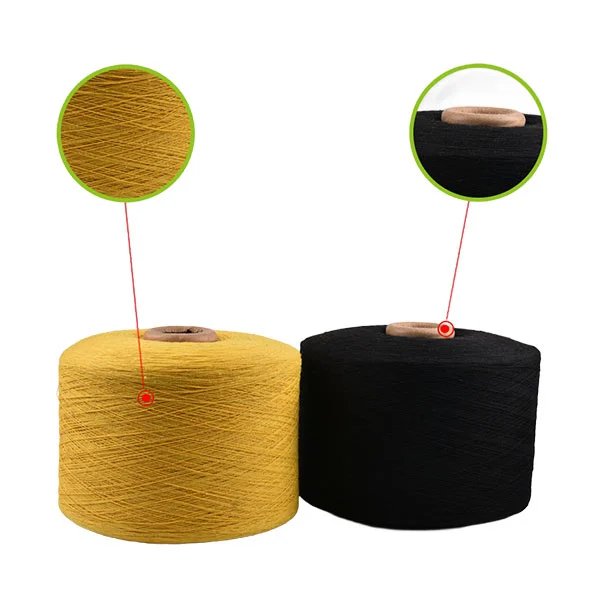
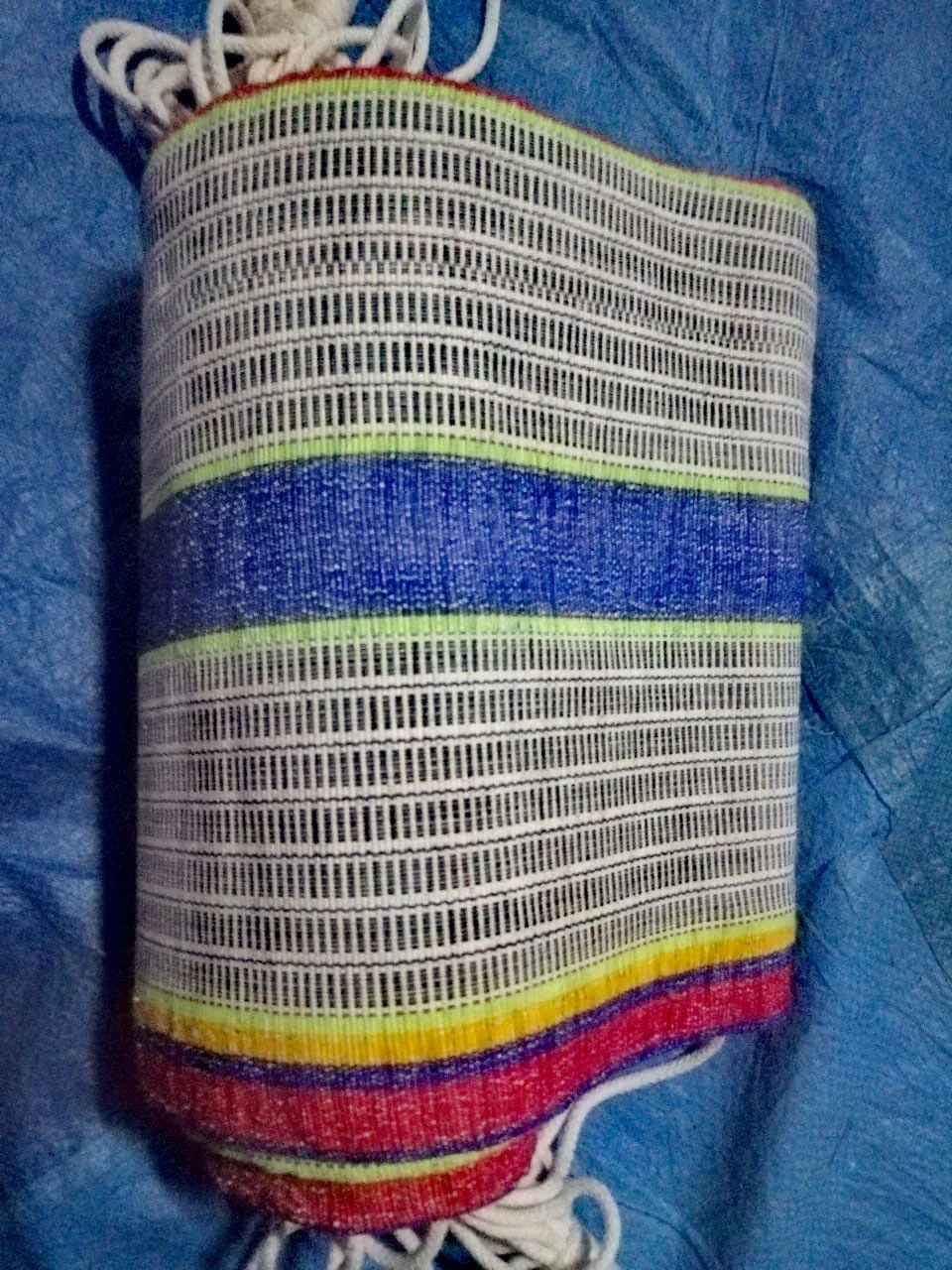
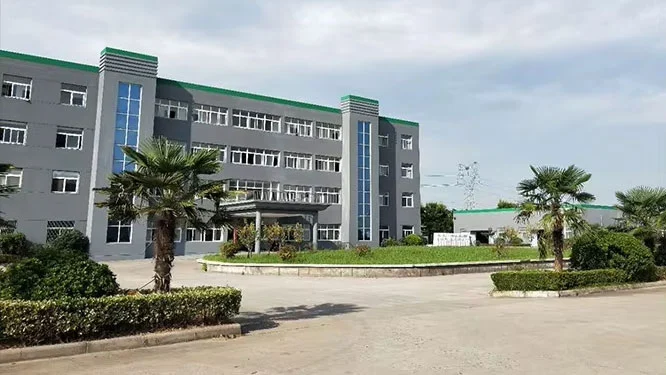
Established in 1987 as an extension of a family-run business, CAI KINGDOM GROUP CO., LIMITED has developed into a leading regenerated cotton yarn manufacturer& exporter in China. CAI KINGDOM GROUP owns 4 production divisions, total 50 production lines, monthly capacity about 3000 tons. More than 200 workers are working at the factory. Our yarn counts range from Ne1.5(Nm2.5)to Ne32(Nm54), single-ply or multi-ply twisted, widely used for weaving and knitting. The main products include circular knitting (fleece, jersey) yarn, sock yarn, glove yarn, hammock yarn, blanket yarn, rug & carpet yarn, towel yarn, mop yarn and etc., which are exported to more than 40 countries, including European countries, Latin America countries, Africa countries, South Asia countries etc. Annual turnover is around 50 million dollars.
We supply Multi language service: English, Russian, Portuguese, Spanish etc. To control quality well, we set professional technical team and QC team in our factory, each step we have strictly quality inspection from material to loading. We can develop a quality sample in 2 days, and supply professional after sales service for each customer. We believe that business credibility and products quality are the core strength of a company's life.
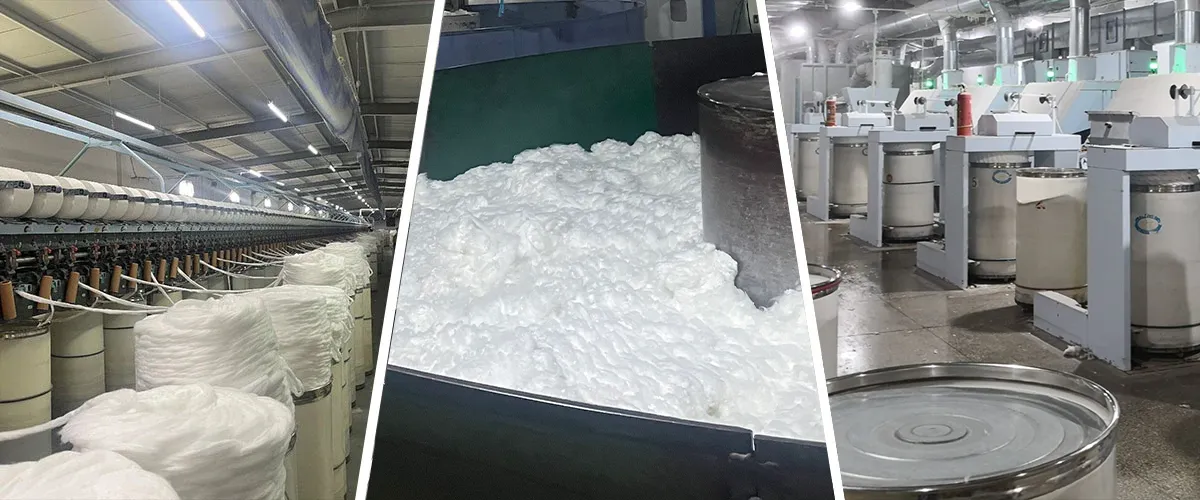
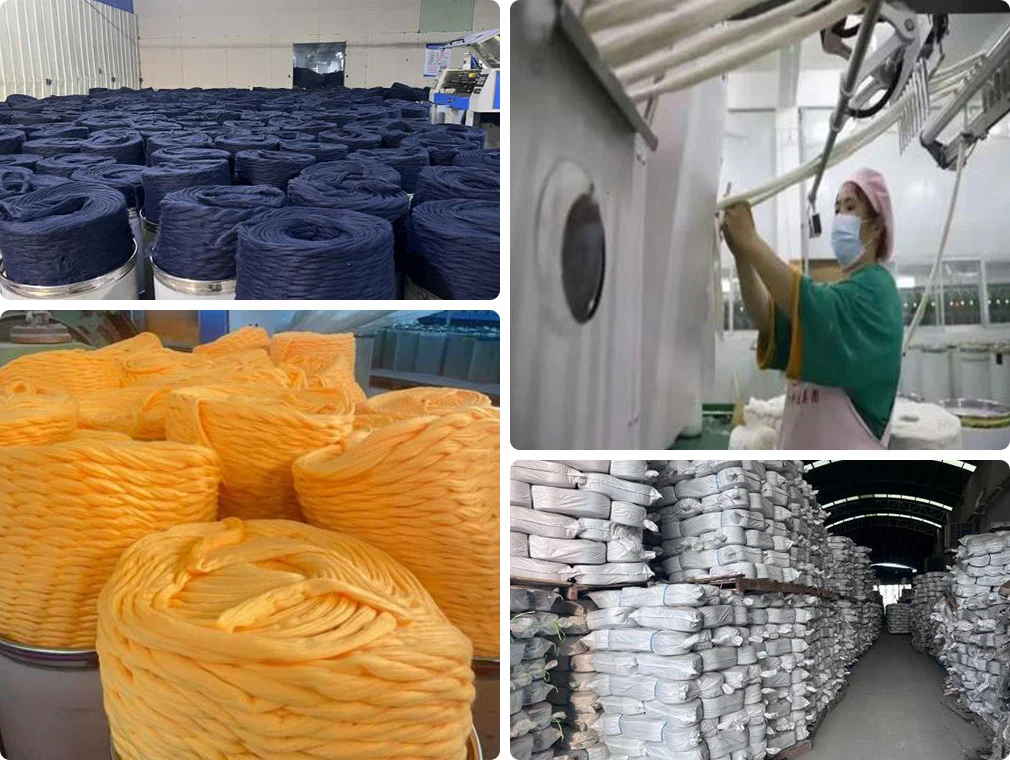
Production Process Flow
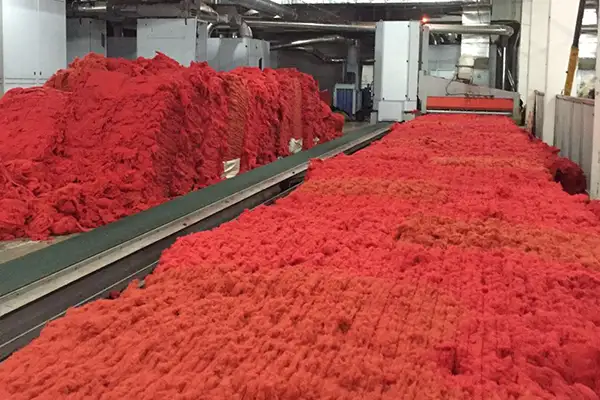
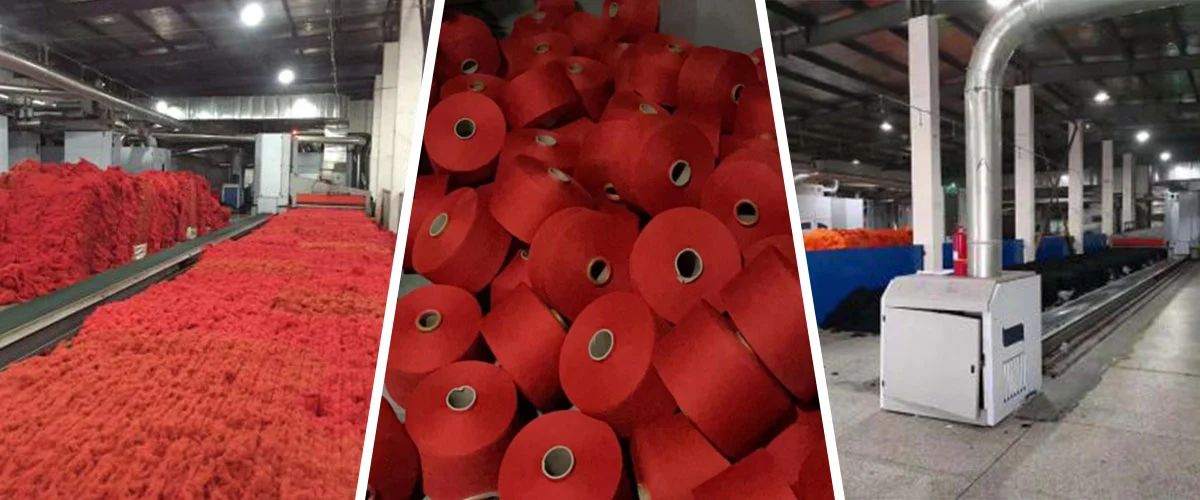
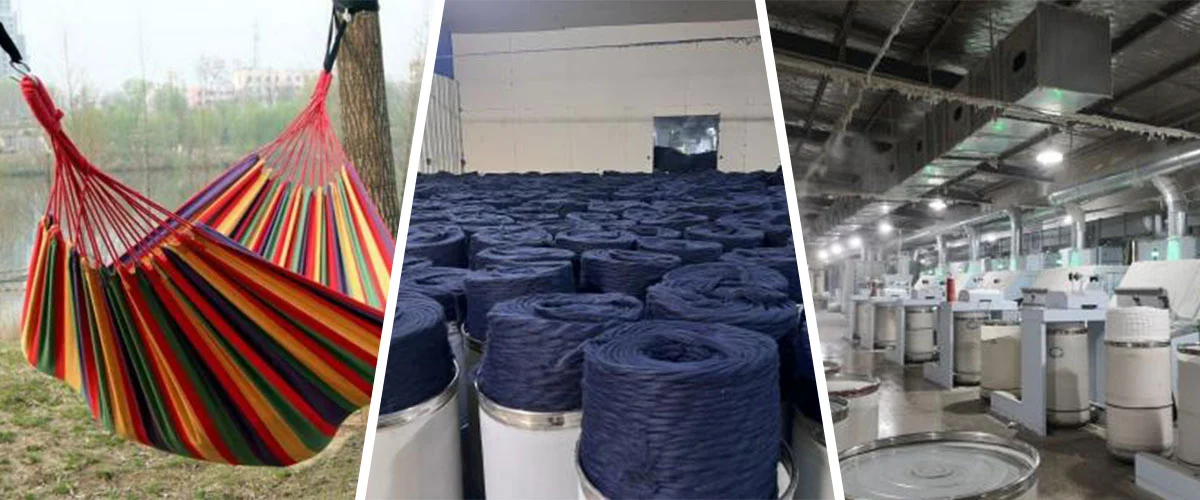
1. Blowing-carding Process: Open, clean, and mix the blended fibers to make them looser and more uniform.
2. Carding Process: Card the fibers after blowing-carding into single-fiber to produce uniform slivers, meanwhile removing short fibers and impurities, improving fiber parallelism and straightness .
3. Drawing Process: Combine multiple slivers to further improve the fiber uniformity and the degree of mixing, ensuring that fibers of different colors are more thoroughly mixed.
4. Spinning Process: Draw and twist the slivers, to produce the yarn with a certain twist and strength.
5. Post-spinning Processes: Such as doubling, twisting, etc.
What are the advantages of this product?
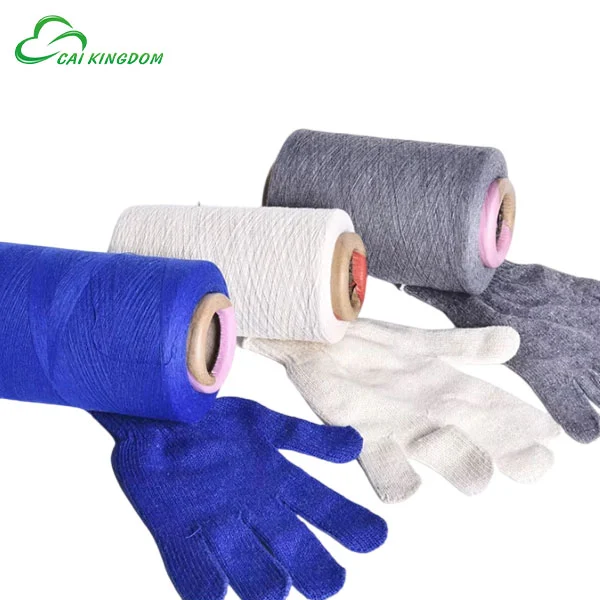
Lower Cost: Cai Kingdom glove yarn may utilize recycled fibers and other raw materials.
Compared to yarns made from entirely new raw materials, its production cost is relatively lower, making glove prices more affordable and saving users on procurement costs.
Environmentally Sustainable: The use of multicolored glove yarn aligns with the concept of resource recycling, helping to reduce dependence on virgin fiber resources, lowering the environmental pressure from waste, and promoting the development of a circular economy.
Yarn Application